How to Choose a Thermoset Manufacturer for Your Project Needs
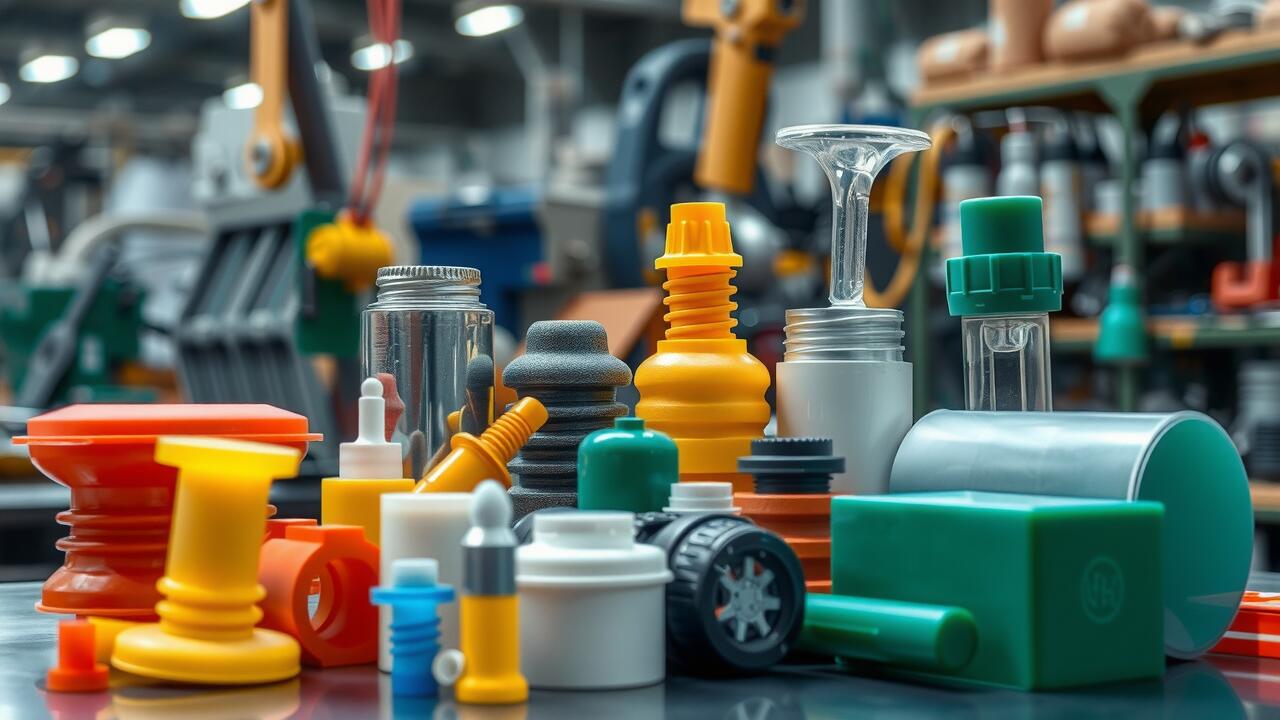
Table Of Contents
Key Takeaways
- Grasping Thermoset Substances
- Elements to Evaluate When Selecting a Thermoset Producer
- The Importance of Thermoset Fabrication Methods
- Analyzing Producer Competencies
- Judging Client Assistance and Offerings
- Contrasting Expenses and Worth
Understanding Thermoset Materials
Thermoset materials are a unique class of polymers that undergo a chemical change during the curing process, resulting in a rigid and heat-resistant structure. Unlike thermoplastics, which can be reshaped upon heating, thermosets maintain their form after curing, making them ideal for various applications that require durability and stability. These thermosetting plastics are often used in manufacturing industries due to their excellent mechanical properties and resistance to chemicals, heat, and electrical conductivity. Understanding the characteristics of thermoset plastics, including their composition and typical applications, is crucial for anyone looking to know how to choose a thermoset manufacturer effectively. This knowledge enables informed decisions when selecting thermoset resin products, ensuring that the right thermosetting polymers are utilized for specific project requirements.
Characteristics of Thermoset Materials
Thermoset materials exhibit unique characteristics that differentiate them from thermoplastic materials. Once cured, they form a rigid structure that does not melt upon heating, making them ideal for applications requiring high thermal stability. This property also influences how manufacturers approach the production process, often utilizing thermoforming techniques to achieve specific shapes and forms. Understanding these traits is essential for those in the plastics industry, especially when considering how to choose a thermoset manufacturer that aligns with specific project requirements.
Durability and chemical resistance are hallmark characteristics of thermoset products. These materials withstand harsh environments, making them suitable for various applications, including automotive and industrial components. Thermosets are often preferred over thermoplastic resins for their ability to maintain structural integrity under extreme conditions. For manufacturers and suppliers, this durability represents an opportunity for lean manufacturing processes, ensuring efficiency while catering to diverse customer needs. Recognizing these attributes is critical for those evaluating options in the marketplace.
- They maintain shape and strength at elevated temperatures.
- Thermoset materials exhibit excellent electrical insulation properties.
- They are generally more resistant to solvents and chemicals compared to thermoplastics.
- Once cured, thermosets cannot be reshaped or remolded, leading to rigid final products.
- They often have lower shrinkage rates during the curing process, contributing to dimensional stability.
- Thermosets can be formulated for specific properties, such as enhanced fire resistance or UV stability.
- Their curing process typically takes place through heat or chemical reactions, which can be customized based on application needs.
Common Applications of Thermoset Products
Thermoset materials are widely used across various industries due to their exceptional heat resistance and durability. Common applications include food packaging, where they ensure safety and longevity of products. These materials undergo a chemical change during manufacturing, which solidifies their structure, making them ideal for high-heat environments such as factories involved in plastics engineering. The ability to withstand heating without degrading allows thermosets to maintain product quality over time.
Another significant application is in the production of sustainable products that require robust materials. Their stability and resistance to chemicals make thermosets suitable for use in electrical components, automotive parts, and consumer goods. Supply chain efficiency also benefits from the use of thermoset plastics, as they can withstand stress and environmental factors during transportation and storage. Understanding these applications is crucial in How To Choose A Thermoset Manufacturer that aligns with specific industry needs.
Factors to Consider When Choosing a Thermoset Manufacturer
Choosing the right thermoset manufacturer involves evaluating several critical factors. First, understanding the quality assurance processes and certifications can help ensure that the products meet industry standards, particularly for applications like bakeware and heat insulation. Experience and expertise in thermoset production are vital; manufacturers with a background in material engineering can optimize thermal stability and thermal conductivity of polymer chains used in composites. The ability to scale production through mass manufacturing processes, especially for bulk molding compounds and gaskets, is crucial for meeting demand. Lastly, considering customization options allows for the development of specialized solutions suited for specific needs in industries such as biotechnology. Knowing how to choose a thermoset manufacturer effectively will ensure the right balance of quality and efficiency in your projects.
Quality Assurance and Certifications
Quality assurance is pivotal in the realm of thermoset manufacturing. Reputable thermoset manufacturers implement stringent quality control measures throughout the production process. This ensures that thermoset products meet industry standards and customer specifications. Certifications such as ISO and ASTM signify a commitment to maintaining high-quality standards. These certifications reflect the manufacturer’s adherence to rigorous testing and evaluation procedures, ultimately enhancing the reliability of thermoset parts. Knowing how to choose a thermoset manufacturer with these certifications can significantly affect the quality and performance of your thermoset materials.
The technology utilized in thermoset production plays a crucial role in assuring product quality. Advanced manufacturing processes facilitate consistent thermoset production and enhance the material's resistance to heat and chemicals. Manufacturers who invest in modern technology can provide better precision and reliability, ensuring that thermoset products perform as expected within their applications. Understanding how to choose a thermoset manufacturer involves evaluating their technological capabilities and certifications. This knowledge can lead to a more efficient thermoset supply chain and the procurement of high-quality thermoset parts for your needs.
Experience and Expertise in Thermoset Production
Experience in thermoset production is crucial for manufacturers looking to provide high-quality thermosetting materials. A knowledgeable manufacturer understands the nuances of thermoset processes and the specific parameters that govern the production of reliable thermoset plastic parts. This expertise ensures that the stock thermoset offerings meet industry standards and client specifications. How to choose a thermoset manufacturer goes beyond just price; it involves assessing their ability to produce common thermoset items and their familiarity with contemporary thermoset processes.
Having a team of skilled thermoset processors makes a significant difference in manufacturing efficiency and product quality. These experts are well-versed in the differences between thermoplastic versus thermoset materials. They can optimize production to meet tight deadlines while maintaining the integrity of in-stock thermoset and custom thermoset solutions. Companies that prioritize experience and expertise will be better positioned to innovate and adapt to evolving market demands, ensuring that their thermoset part capabilities remain competitive.
The Role of Thermoset Production Techniques
Thermoset production techniques play a crucial role in determining the performance and applications of various thermoset composites. Understanding the different manufacturing methods, such as thermoset injection and the creation of laminated thermoset plastics, is essential for ensuring high-quality outputs. Techniques involving extruded thermoset plastics or thermoset polyester composites significantly impact the thermomechanical properties of the final products. For those exploring how to choose a thermoset manufacturer, it's vital to consider their expertise in implementing advanced technologies like IoT thermoset technology. Custom manufacturers may also offer specialized options, including polyurethane thermosets and thermoset phenolic materials, enhancing flexibility and functionality in design.
Different Manufacturing Methods
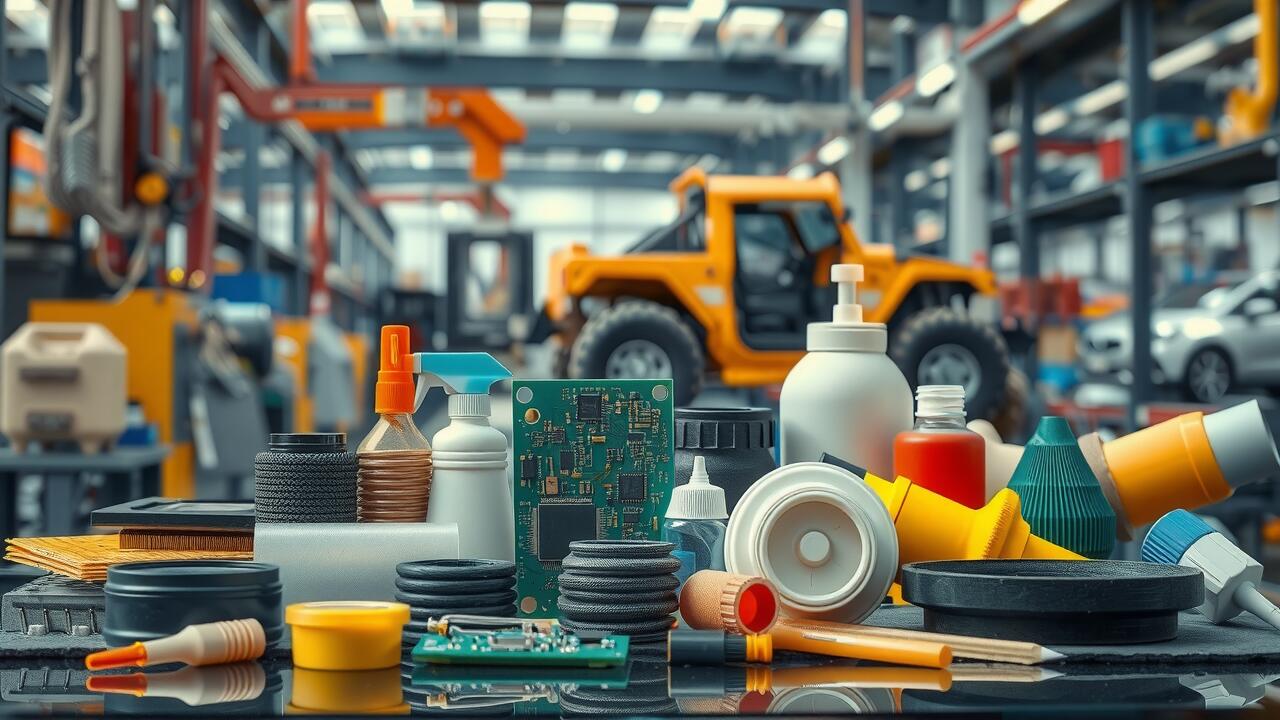
Thermoset materials are produced through various manufacturing methods, each tailored to meet specific requirements within the plastic manufacturing industry. Techniques such as compression molding and injection molding are commonly employed to create high-quality components, including thermostat housings and packaging products. A certified custom manufacturer utilizes these manufacturing processes to ensure that thermoplastic resin materials are processed effectively, achieving the desired properties for end-use applications. This diversity in production techniques allows for flexibility in meeting the unique demands of clients, particularly in the chemical processing industries.
Choosing the right manufacturing process for thermoset materials significantly impacts the final product's performance and cost. Understanding how to choose a thermoset manufacturer entails evaluating their expertise in specific production methods, which can influence plastic production efficiency and quality. A reliable supplier should offer a range of plastic manufacturing services, allowing clients to select the best approach for their needs. The integration of advanced technology into these manufacturing methods can further enhance the production of high temperature thermoplastics, ensuring that the resulting products meet industry standards and customer expectations.
Importance of Technology and Innovation
Technology and innovation play a crucial role in defining the standards of thermoset production. Advanced techniques in the entire manufacturing process can significantly enhance the properties of heat-resistant materials. Manufacturers that invest in the latest technology can develop versatile formulations for thermoset products, leading to the creation of high-quality products suitable for a variety of applications. This development is especially vital in producing plastic products utilized in consumer appliances, where durability and performance are paramount.
Choosing the right manufacturing materials is essential for achieving desired product characteristics. Innovative approaches allow manufacturers to optimize the formulation of thermoset resins. This optimization not only enhances the heat resistance of the final products but also ensures their reliability in demanding environments. As consumers seek quality products that meet rigorous standards, staying updated with technological advancements becomes indispensable for how to choose a thermoset manufacturer effectively.
Evaluating Manufacturer Capabilities
Assessing a manufacturer's capabilities is crucial in the process of how to choose a thermoset manufacturer. Key factors include the production capacity and scalability, which can indicate how well a supplier can meet increasing demands. Evaluating supplier costs against their ability to deliver quality performance plastics is essential, especially when considering wholesale distributors. Manufacturers that employ advanced chemical processing techniques, including the right formulation of ingredients and precise oven temperatures, often produce superior thermoset plastics parts for various applications, such as appliances. Adopting new technologies can enhance a manufacturer’s efficiency, making it imperative to scrutinize their overall production capabilities to ensure reliability and quality in every aspect of the supply chain.
Production Capacity and Scalability
Evaluating the production capacity of a thermoset manufacturer involves understanding how their production system can handle various product styles and volumes. High heat resistance is a vital characteristic of prepreg materials, which are often used in specific engineering applications. A well-equipped facility with advanced equipment ensures that the manufacturer can efficiently fabricate components while maintaining consistent quality. This capability is essential for industries such as electronics and food processing applications, where reliability and performance are crucial.
Scalability is equally important in the selection process, as it determines how well a manufacturer can adapt to changing demands. A process engineer plays a critical role in optimizing the production process and ensuring that the manufacturer can expand or contract output based on client needs. Brands looking for customized thermoset solutions should seek manufacturers that demonstrate not only robust production capacity but also the flexibility to accommodate varying order sizes without compromising on quality or lead times.
Customization Options for Thermoset Solutions
Choosing the right thermoset solutions often hinges on the flexibility offered by manufacturers in customizing products to meet specific design needs. Key manufacturing focus on durable polymer material allows for the creation of various items, from rubbery silicone bakeware to metal alternatives. Understanding how to choose a thermoset manufacturer involves assessing their ability to provide solutions that can withstand certain temperatures while still maintaining structural integrity, especially in high temperature resistance applications. Customization can also include techniques like heat staking to ensure reliable performance in end products.
The production processes employed by a manufacturer significantly impact the customization potential for thermoset solutions. Advanced production systems can accommodate a wide range of specifications, enabling the creation of tailored plastic parts that meet unique requirements. A manufacturer's emphasis on flexibility in design not only enhances product functionality but also aligns with customer expectations. Potential clients should evaluate how well a manufacturer can adapt to their specific production demands for thermoset materials, ensuring that the final product meets the desired performance standards.
Assessing Customer Support and Services
Effective customer support and services play a crucial role in determining how to choose a thermoset manufacturer for engineering applications. The ability to communicate clearly and respond promptly ensures that clients receive the necessary guidance on resistant plastics, including information about special formulations and heat deflection properties. As the manufacturing age evolves, a knowledgeable distributor can enhance production efficiency by providing insights into the latest trends in the next generation industry. Evaluating the level of technical support and after-sales service helps businesses find reliable partners who understand the complexity of working with various plastic materials and wearing materials, ultimately leading to successful product outcomes.
Communication and Responsiveness
Effective communication is crucial in the thermoset manufacturing industry. A manufacturer that prioritizes clear and prompt communication can streamline the supply chain and enhance process efficiency. This ensures that clients receive updates on production timelines, resin choices, and component specifications. Understanding how to choose a thermoset manufacturer involves evaluating their responsiveness to inquiries and their ability to address concerns related to chemical curing and sustainable production practices.
Responsiveness reflects a manufacturer's commitment to customer satisfaction. Companies that excel in this area can quickly adapt to changing requirements and provide tailored solutions. This adaptability is essential in industries that rely on versatile materials and require efficient production lines. Assessing how to choose a thermoset manufacturer also means looking for those who can maintain consistent communication throughout the engineering process, fostering long-term partnerships that drive innovation in thermoset products.
Technical Support and After-Sales Service
Reliable technical support is crucial for ensuring that the production processes run smoothly. A manufacturer should provide assistance in selecting materials suited for specific applications, guiding clients through the complexities of thermoset materials. This includes offering a comprehensive materials comparison guide that helps identify the most versatile options for high volume production. Having a strong support system in place can significantly enhance the efficiency of production runs, allowing for better control over the manufacturing chain.
After-sales service plays a vital role in maintaining long-term relationships with clients. Manufacturers that excel in this area offer ongoing support to address any issues that may arise post-delivery. Providing insights into optimizing the use of thermoset parts and materials is essential for ensuring that customers achieve the best performance from their products. Knowing how to choose a thermoset manufacturer that prioritizes these services can result in smoother operations and improved satisfaction with the end products.
- Ensures timely responses to technical inquiries and support requests.
- Provides training and resources to help customers understand product applications.
- Offers regular updates and information on new materials and technology.
- Implements a feedback mechanism for continuous improvement of products and services.
- Delivers on-site assistance when necessary to resolve complex issues.
- Establishes a dedicated customer support team for ongoing communication and help.
- Promotes customer education through workshops and seminars on thermoset materials.
Comparing Costs and Value
The process of evaluating costs and value in the context of thermoset materials involves a careful assessment of various factors. It's essential to consider not only the price of the raw materials but also the manufacturing processes that contribute to the overall expenses. Protolabs, known for their advanced manufacturing capabilities, exemplifies the importance of balancing quality with cost efficiency. Understanding how to choose a thermoset manufacturer requires looking at both the initial costs and the long-term value generated through durability and performance. This approach ensures that stakeholders make informed decisions that align with their project requirements and budget constraints.
FAQS
What factors should I consider when learning how to choose a thermoset manufacturer for my project?
When learning how to choose a thermoset manufacturer, it's important to evaluate their experience with thermoset polymers and the specific thermoset manufacturing processes they utilize. Consider whether the manufacturer specializes in certain types of thermoset sheet material or serves electronics, as this can impact your project. Additionally, assess their capabilities in heat treating and the thermoset process parameters they follow to ensure they can meet your specific plastic division and product design needs. Selecting an appropriate polymer will also contribute to the versatility for manufacturing processes and the overall efficiency of the entire manufacturing production.
What should you know about manufacturers of thermoset plastic when selecting a factory for your product design needs?
When choosing a manufacturer of thermoset plastic, it's essential to understand their expertise in producing versatile non-metallic thermoset plastic for various manufacturing processes. Additionally, consider whether they are equipped to handle large-scale production and if they utilize modern equipment, like thermoformed technologies, to ensure quality control. Your decision should be based on their capabilities and whether they align with your project requirements.
How can I effectively use a thermometer to evaluate a factory's versatile manufacturing processes when considering their plastics division for my product design needs?
To effectively use a thermometer in evaluating a factory's versatile manufacturing processes, ensure you check temperature consistency, which can impact the quality of the thermoset materials. Depending on your product design needs, assessing how the factory manages temperature in their plastics division is crucial for achieving optimal results in thermoset manufacturing.
How can I determine the right thermoset manufacturer based on their versatile manufacturing processes for my product design needs?
To determine the right thermoset manufacturer, evaluate their versatile manufacturing processes, ensuring they align with your product design needs. Look for their ability to adapt to various requirements and their experience in handling different thermoset materials, as this flexibility can significantly impact the quality and efficiency of your project.
How can I compare different thermoset manufacturers to find the best fit for my product design needs?
To compare different thermoset manufacturers effectively, you should evaluate their versatile manufacturing processes, ensuring they align with your product design needs. Consider factors such as production capabilities, quality control measures, and past project experiences to choose the manufacturer that best meets your requirements.
How can I assess the manufacturing processes of different thermoset producers to ensure they meet my product design needs?
To assess the capabilities of various thermoset producers, you should examine their versatile manufacturing processes. This includes evaluating their technology, production capacity, and specific processes used in thermoset production, ensuring they align with your product design needs.
How can I assess the adaptability of a thermoset manufacturer to ensure they meet my product design needs?
To assess the adaptability of a thermoset manufacturer, you should evaluate their versatile manufacturing processes and how well they can accommodate specific requirements for your product design needs. This includes looking at their ability to adjust production methods, implement custom specifications, and innovate based on your project's unique demands.
How can I ensure that a thermoset producer has the right versatile manufacturing processes for my product design needs?
To ensure that a thermoset producer has the right versatile manufacturing processes for your product design needs, you should evaluate their capabilities in adapting to various design requirements, check their history of successful projects, and inquire about their technology and equipment used in the manufacturing processes.
What methods can I use to research a thermoset manufacturer to evaluate their versatile manufacturing processes for my product design needs?
When researching a thermoset manufacturer, you can assess their track record, read customer reviews, and review case studies to evaluate their versatile manufacturing processes. Additionally, visiting their facility, if possible, can give you firsthand experience of how they align with your product design needs.
How can I evaluate the adaptability of a thermoset manufacturer regarding their versatile manufacturing processes for my product design needs?
To evaluate the adaptability of a thermoset manufacturer, it is essential to analyze their versatile manufacturing processes and how they align with your product design needs. You can do this by reviewing case studies, seeking feedback from previous clients, and examining their capacity for innovation and flexibility in production. This assessment will help ensure that the chosen manufacturer can effectively meet your specific product design needs while adapting to any changes in requirements.